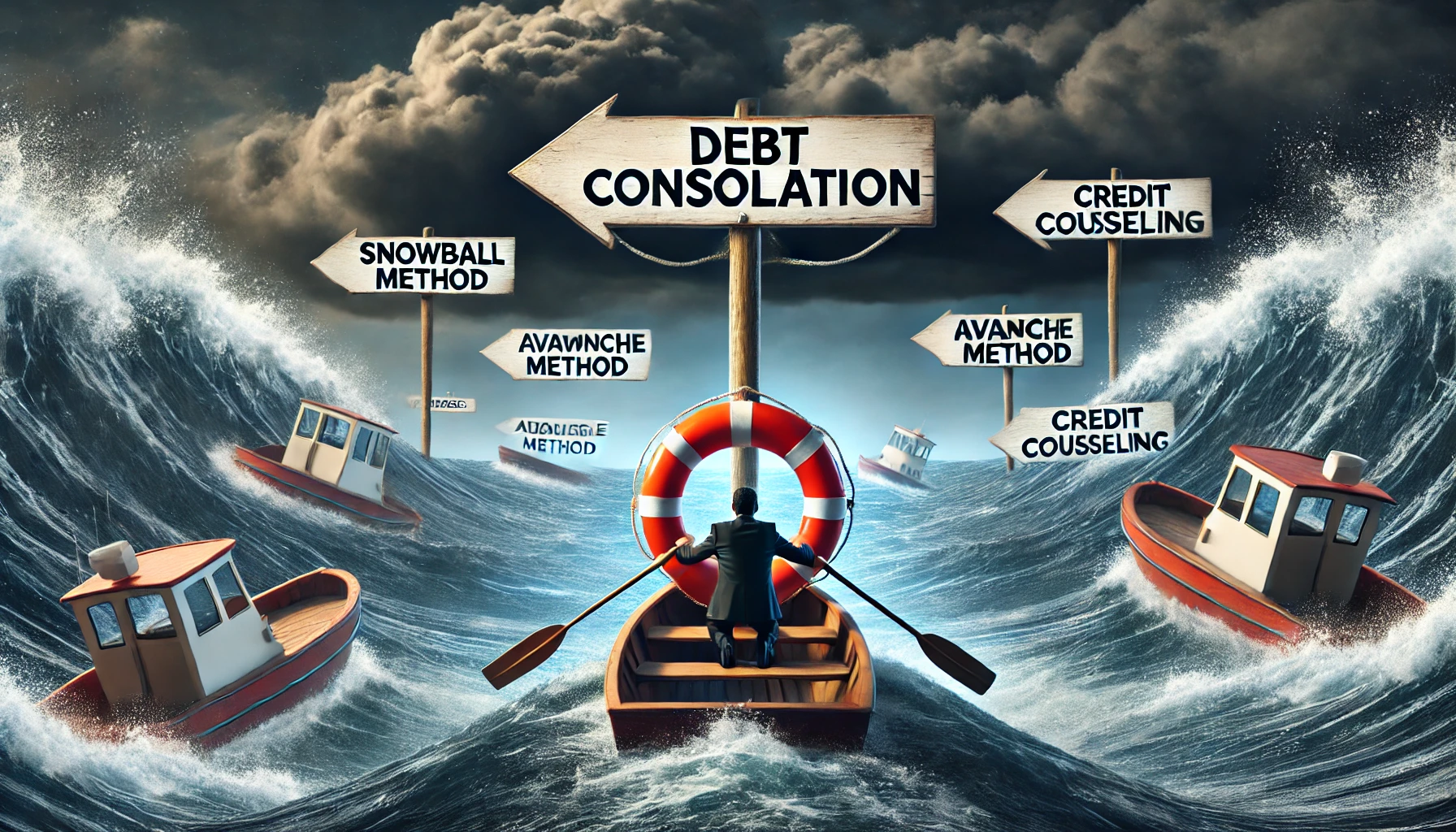

Introduction:
In today’s fast-paced world, managing personal finances can feel like a daunting task. From tracking expenses to saving for the future, it’s easy to become overwhelmed by the myriad of financial responsibilities we face. However, with the rise of online budgeting tools, taking control of your finances has never been easier. These tools offer a convenient and efficient way to track spending, set savings goals, and monitor progress towards financial freedom. In this comprehensive guide, we’ll explore 13 top-notch online budgeting tools that can help you master your finances and build a brighter financial future.
Section 1: Understanding the Importance of Budgeting:
Budgeting serves as the cornerstone of financial stability and success, providing individuals with a roadmap for managing their income, expenses, and savings effectively. At its core, budgeting involves the careful allocation of financial resources to meet both short-term needs and long-term goals. By establishing a budget, individuals gain greater control over their finances, enabling them to make informed decisions about how to allocate their money and prioritize their spending.
One of the primary benefits of budgeting is its ability to promote financial discipline and responsibility. By setting clear spending limits and tracking expenses, individuals are better equipped to avoid unnecessary expenditures and live within their means. This disciplined approach not only helps individuals avoid debt and financial hardship but also fosters a sense of financial empowerment and independence.
Moreover, budgeting plays a crucial role in goal setting and financial planning. Whether it’s saving for a down payment on a home, funding a child’s education, or building an emergency fund, budgeting allows individuals to allocate resources towards their most pressing financial priorities. By establishing clear goals and creating a plan to achieve them, individuals can make steady progress towards their financial aspirations and build a more secure future for themselves and their families.
Furthermore, budgeting helps individuals gain a deeper understanding of their financial habits and behaviors. By tracking expenses and identifying patterns in spending, individuals can pinpoint areas where they may be overspending or making unnecessary purchases. This increased awareness enables individuals to make more conscious decisions about their money and identify opportunities to cut costs, save more, and invest wisely.

Additionally, budgeting serves as a valuable tool for managing financial emergencies and unexpected expenses. By setting aside funds for emergencies and establishing a financial safety net, individuals can weather unexpected setbacks without resorting to high-interest debt or depleting their savings. This proactive approach to financial planning helps individuals build resilience and mitigate the impact of unforeseen circumstances on their financial well-being.
In summary, budgeting is a fundamental aspect of personal finance management, providing individuals with the tools and resources they need to achieve financial security and success. By establishing a budget, individuals can gain greater control over their finances, set clear goals, and make informed decisions about how to allocate their money. Whether it’s saving for the future, paying off debt, or simply living within one’s means, budgeting empowers individuals to take control of their financial destiny and build a brighter future for themselves and their loved ones.
Section 2: The Evolution of Budgeting: From Pen and Paper to Online Tools:
Budgeting has long been recognized as a fundamental aspect of personal finance management, dating back centuries to when individuals meticulously recorded their income and expenses using pen and paper. These rudimentary methods, while effective to some extent, were often laborious and time-consuming, requiring manual calculations and record-keeping.
As society progressed and technology advanced, so too did the methods of budgeting. The advent of calculators and spreadsheets in the mid-20th century revolutionized the way individuals approached budgeting, offering greater efficiency and accuracy in managing finances. Spreadsheets, in particular, became a popular tool for creating detailed budgets, tracking expenses, and analyzing financial data.
However, the widespread adoption of the internet and digital technologies in the late 20th and early 21st centuries ushered in a new era of budgeting. Online budgeting tools emerged as convenient solutions for individuals seeking to streamline their financial management processes and gain greater insight into their spending habits.

These online tools leverage the power of cloud computing and mobile technology to provide users with anytime, anywhere access to their financial data. No longer bound by the constraints of desktop software or paper-based systems, individuals can now manage their finances on the go, from the convenience of their smartphones or tablets.
Moreover, online budgeting tools offer a host of features and functionalities that go beyond traditional spreadsheet-based budgeting. From automated expense tracking to real-time transaction syncing with bank accounts, these tools empower users to take control of their finances with unprecedented ease and efficiency.
Furthermore, the integration of machine learning and artificial intelligence technologies has enabled online budgeting tools to provide personalized insights and recommendations tailored to each user’s unique financial situation. By analyzing spending patterns, identifying trends, and predicting future expenses, these intelligent algorithms help users make more informed decisions and stay on track towards their financial goals.
In essence, the evolution of budgeting from pen and paper to online tools represents a paradigm shift in how individuals manage their finances. What was once a labor-intensive and time-consuming process has now become streamlined and accessible to anyone with an internet connection. As technology continues to advance, the future of budgeting holds even greater promise, with innovations such as predictive analytics and automated savings features poised to further revolutionize the way we approach personal finance management.
Section 3: Exploring the Top 13 Online Budgeting Tools:
| No. | Tool | Features | Pros | Cons |
| 1 | Mint | Budget tracking, bill reminders, credit score monitoring | User-friendly interface, integration with bank accounts | Limited customization options |
| 2 | YNAB | Zero-based budgeting, goal-setting, educational resources | Focus on proactive budgeting, robust community support | Steep learning curve for new users |
| 3 | Personal Capital | Investment tracking, net worth analysis, retirement planning | Comprehensive financial overview, fee analyzer for investments | Limited budgeting features |
| 4 | EveryDollar | Monthly spending plan, transaction tracking, synchronization with bank accounts | Aligns with Dave Ramsey’s financial principles | Manual input required for transactions |
| 5 | PocketGuard | Automated budget tracking, expense categorization, bill tracking | Insights into spending habits, subscription management | Limited customization options |
| 6 | Goodbudget | Envelope budgeting, household budgeting, debt payoff tracking | Ideal for couples or families, syncs across multiple devices | Tedious manual entry for transactions |
| 7 | Tiller Money | Spreadsheet-based budgeting, automatic data import, customizable templates | Compatibility with Google Sheets and Excel, flexibility | Requires familiarity with spreadsheet software |
| 8 | Wally | Expense tracking, insights into spending patterns, receipt scanning | Sleek and intuitive design, supports multiple currencies | Limited reporting and analysis capabilities |
| 9 | BudgetSimple | Streamlined budgeting, goal setting, cash flow forecasting | Easy-to-use interface, scenario planning capabilities | Limited integration with financial accounts |
| 10 | PocketSmith | Long-term financial forecasting, scenario modeling, bank feeds integration | Advanced budgeting features, customizable categories | Steeper learning curve compared to other tools |
| 11 | Honeydue | Couples budgeting, shared expense tracking, bill reminders | Simplifies financial management for couples, messaging feature | Limited features for individual users |
| 12 | SimpleBudget | Minimalistic budgeting, monthly budget overview, goal setting | Simple and straightforward interface, focuses on essentials | Lacks advanced features found in other tools |
| 13 | BudgetTracker | Comprehensive budgeting, customizable categories, budget sharing | Flexible and customizable, supports collaborative budgeting | User interface may feel dated |
Section 4: Tips for Maximizing the Benefits of Online Budgeting Tools:
Budgeting tools are only as effective as the effort you put into using them. To maximize their benefits and achieve financial success, consider the following tips:
-
Set Realistic Goals:
Define clear financial goals, whether it’s paying off debt, saving for a vacation, or building an emergency fund. Set realistic targets and track your progress regularly.
-
Stay Consistent:
Make budgeting a regular habit by reviewing your finances weekly or monthly. Stick to your budget and make adjustments as needed to stay on track towards your goals.
-
Utilize Additional Features:
Explore the full range of features offered by your chosen budgeting tool, such as goal tracking, bill reminders, and expense categorization. These tools are designed to help you manage all aspects of your finances more effectively.
-
Seek Support:
Don’t be afraid to seek support and guidance from financial experts or online communities. Sharing experiences and learning from others can help you stay motivated and overcome any challenges you encounter on your financial journey.
Conclusion:
In conclusion, the landscape of personal finance has been significantly transformed by the emergence of online budgeting tools. These tools offer more than just convenience; they represent a paradigm shift in how individuals approach financial management. By leveraging the power of technology, users can now access sophisticated budgeting solutions that empower them to take control of their finances with greater ease and efficiency than ever before.
Through our exploration of the top 13 online budgeting tools, we’ve seen a diverse array of features and functionalities designed to address various financial needs and preferences. From comprehensive budget tracking and expense categorization to long-term financial forecasting and collaborative budgeting, these tools cater to a wide range of users, from budgeting novices to seasoned finance professionals.
However, it’s essential to recognize that online budgeting tools are not a panacea for financial success. While they can certainly streamline the budgeting process and provide valuable insights into your financial health, ultimately, achieving financial stability requires discipline, consistency, and a commitment to your financial goals.
Therefore, as you embark on your journey towards financial freedom, remember that online budgeting tools are just one piece of the puzzle. Set realistic goals, stay consistent in your budgeting efforts, and don’t hesitate to seek support and guidance along the way. By combining the power of technology with sound financial principles, you can pave the way towards a brighter financial future for yourself and your loved ones.
In essence, online budgeting tools represent more than just a means to manage your finances; they embody a mindset shift towards proactive financial stewardship and empowerment. Embrace these tools as allies on your journey towards financial success, and watch as they help you navigate the complexities of personal finance with confidence and clarity.
Here’s to mastering your finances, one budgeting tool at a time. Cheers to a future filled with financial freedom and abundance!