Introduction
In the storm of financial uncertainty, whether debt consolidation is a reliable lifebuoy arises like a guiding beacon on choppy waters. Many find themselves navigating the intricate currents of debt, facing the daunting challenge of juggling multiple financial obligations with different interest rates and due dates. In this challenging sea of personal finance, debt consolidation emerges, offering a potential lifeline to those seeking stability.
Understanding the nuances of debt consolidation is akin to deciphering a complex financial symphony. It involves orchestrating multiple debts into a harmonious arrangement, simplifying the cacophony of various repayment schedules into a single, manageable melody. The attraction of refinancing stems from the potential for reduced interest rates and a more straightforward way to repay loans, which makes it an attractive choice for those looking for financial relief.
However, as with any financial strategy, deciding to pursue debt consolidation requires careful consideration and a keen awareness of its intricacies. Is it truly the financial lifebuoy that will keep you afloat, or is it a fleeting wave that might lead to deeper waters? This article seeks to simplify the intricacies of debt consolidation, empowering you with the understanding to make well-informed choices regarding your financial path.
Quick Tips for the Impatient Reader
Before we delve into the depths, here are some quick tips for those seeking immediate insights:
- Understand the Basics:
Debt consolidation involves combining multiple debts into a manageable payment. It’s like bringing order to a financial storm. - Pros and Cons:
Lower interest rates and simplified payments are tempting; be aware of potential fees and the risk of accumulating more debt. Consider the whole picture. - Assess Your Situation:
Evaluate your current financial standing. Debt consolidation may not be a one-size-fits-all solution. Know your needs, goals, and financial capabilities. - Explore Alternatives:
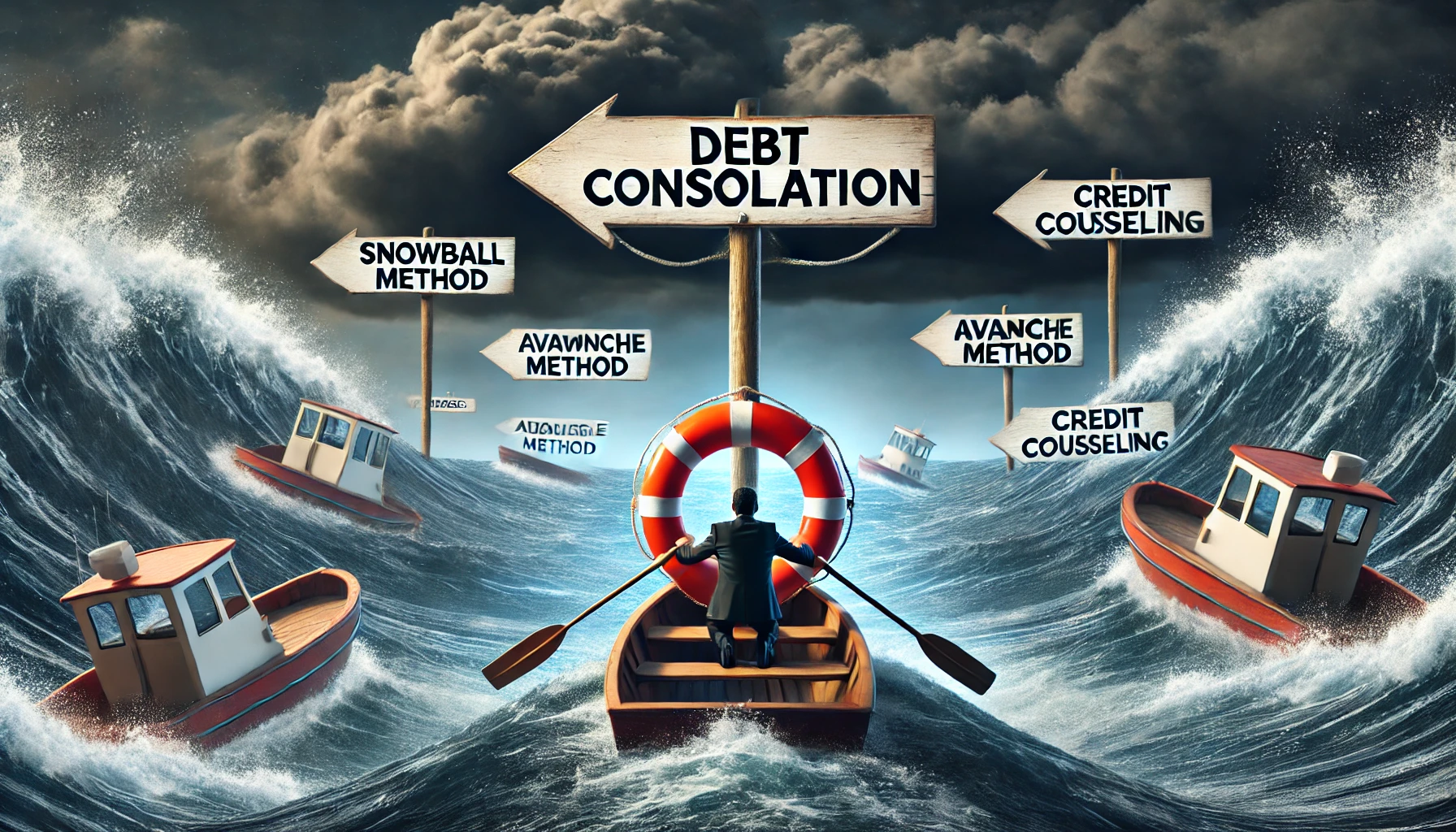
Debt consolidation is just one boat in the harbor. You can consider different methods such as the snowball or avalanche strategies to manage debt. It’s also beneficial to have discussions with your creditors about repayment options. Getting guidance from a financial advisor can be really helpful as you navigate through this situation.
Now, let’s embark on a journey through the world of debt consolidation, unraveling its complexities and examining whether it holds the promise of financial stability or if there are alternative paths that better suit your financial voyage.
What is Debt Consolidation?
A. Explanation of Debt Consolidation
In the complex world of managing personal finances, debt consolidation is a unifying force that combines the various threads of financial responsibilities into a unified structure. At its core, debt consolidation is a strategic financial maneuver designed to simplify and streamline the often overwhelming task of managing multiple debts. It’s akin to conducting a financial symphony, harmonizing various notes of credit card balances, personal loans, and other outstanding debts into a singular, more manageable arrangement.

The fundamental premise is to replace the dissonance of multiple monthly payments with a unified, orchestrated melody. This is achieved by obtaining a new credit facility, often a personal loan or a balance transfer credit card, to pay off existing debts. The result is a single debt obligation, one monthly payment, and a potentially lower overall interest rate.
B. Types of Debt Consolidation
- Personal Loans:
Imagine a financial maestro orchestrating a grand performance – that’s what a personal loan can be in debt consolidation. Individuals can secure a personal loan from a bank or a financial institution, using the borrowed sum to pay off existing debts. The advantage lies in the fixed interest rate and a predefined repayment period, providing a structured approach to debt elimination. - Balance Transfers:
Enter the balance transfer, akin to changing the lead instrument in a symphony. This involves transferring outstanding credit card balances to a new card with a lower interest rate. While this can offer immediate relief with a reduced interest rate, it often comes with a limited promotional period, requiring careful consideration of the long-term impact.
Debt consolidation is the financial conductor that transforms the cacophony of multiple debts into a harmonious financial arrangement. However, like any orchestration, it requires skillful execution, an understanding of the individual’s financial score, and an awareness of the potential pitfalls that may accompany the pursuit of economic harmony.
Pros of Debt Consolidation
- Lower Interest Rates
Consider debt consolidation as a financial maestro conducting a symphony of savings. One of its most enticing melodies is the promise of lower interest rates. With multiple debts amalgamated into a single entity, there’s a potential for a more favorable overall interest rate. This alleviates the burden on your wallet and facilitates more efficient debt repayment. The reduction in interest rates can translate into significant savings over the life of the consolidated debt, providing a tangible benefit to those navigating the complex seas of financial instability. - Simplified Repayment
Imagine trading the chaos of managing various financial instruments for the simplicity of a single, harmonious note. Debt consolidation simplifies paying off debts by combining several monthly payments into a single one. This singular payment, often with a fixed interest rate, transforms the previously discordant financial obligations into a cohesive, manageable rhythm. No more juggling due dates, interest rates, and varying payment amounts – just one unified payment to orchestrate your financial melody. - Potential Improvement in Credit Score
Although consolidating debt might temporarily lower your credit score, its lasting benefits are comparable to a phoenix emerging from the ashes. By consistently making timely payments and demonstrating prudent financial habits, your credit score has the potential to improve. Effectively consolidating and handling debts indicates financial responsibility to lenders and credit agencies. This gradual progress can positively impact your credit history, ultimately strengthening your financial position.
In the grand symphony of personal finance, these advantages create a harmonious blend, transforming the financial cacophony into a melody of stability and potential prosperity. As you consider the prospect of debt consolidation, envision a stage where lower interest rates, simplified payments, and credit score improvement converge to create a composition conducive to your financial well-being.
Cons of Debt Consolidation
- Possible Fees and Costs
As you navigate the waters of debt consolidation, it’s crucial to be mindful of potential hidden rocks beneath the surface. The journey towards financial harmony may come with its own set of costs. Some debt consolidation methods, such as personal loans or balance transfers, may involve origination fees, processing charges, or other associated costs. It’s imperative to thoroughly understand the fee structure of the chosen consolidation method and factor these expenses into your overall financial calculations.
- Risk of Accumulating More Debt
Debt consolidation, though a potential solution, still needs to eradicate the root causes of financial instability. Without a structured method, there’s a clear danger of getting caught in the cycle of amassing additional debt following the consolidation procedure.

The newfound financial relief may lead to complacency, prompting individuals to incur additional debts. To truly leverage the benefits of consolidation, it’s crucial to address the underlying financial behaviors and adopt a proactive approach toward responsible financial management.
- Impact on Credit Scores in the Short Term
The quest for financial stability through debt consolidation often involves navigating through short-term turbulence. Initiating the consolidation process may temporarily impact your credit score, as opening a new credit facility and closing existing accounts can influence credit utilization and credit history. While this dip is often a transient phase, it requires careful consideration, especially if you anticipate needing access to credit immediately. Understanding the short-term effects on your credit score is vital to making informed decisions about your overall financial strategy.
In the symphony of debt consolidation, these challenges form the counterpoint to the benefits, creating a nuanced composition that demands attention and consideration. It’s essential to approach debt consolidation with a discerning eye, acknowledging the potential costs and risks alongside the benefits, to ensure that your financial melody remains in harmony.
Considerations Before Opting for Debt Consolidation
- Evaluation of Current Financial Situation
Before setting sail on the debt consolidation journey, take stock of your financial landscape. Understand your income, expenses, and the specific details of your debts. Conduct a comprehensive financial health analysis, identify the root causes of your debt, and evaluate your ability to make consistent payments. Consider factors such as job stability, future financial commitments, and any potential changes in your income. This introspective evaluation provides the foundation for making informed decisions about the suitability of debt consolidation for your unique situation.
- Comparison of Interest Rates and Terms
Debt consolidation choices vary in quality and effectiveness. Each comes with its own set of interest rates, repayment terms, and potential fees. Thoroughly research and compare the terms offered by different lenders or financial institutions. While the promise of lower interest rates is enticing, it’s essential to scrutinize the fine print, including any introductory rates that may change over time. Consider the overall cost of the consolidation, factoring in fees, to determine the true financial impact of each option. This diligent comparison ensures you choose a consolidation method aligned with your long-term financial goals.
- Understanding Potential Risks and Benefits
Like any financial strategy, debt consolidation is not without its nuances. It’s imperative to understand the potential risks and benefits of this approach. While lower interest rates and simplified payments are appealing, be aware of the possible fees, costs, and the risk of accumulating more debt if not managed responsibly. Consider consulting with financial advisors or credit counselors to gain insights into the potential outcomes based on your specific circumstances. Having a complete understanding of the pros and cons enables you to approach the idea of debt consolidation with a clear and proactive mindset.
In the vast sea of financial options, these considerations act as your navigational tools, guiding you toward the most suitable course of action. The decision to consolidate debt should align with your financial goals, capabilities, and a comprehensive understanding of the implications involved. Prepare yourself with the knowledge and information needed to confidently navigate the intricacies of debt consolidation before setting sail.
Alternatives to Debt Consolidation
A. Snowball or Avalanche Method
- Snowball Method:
Imagine the image of a snowball rolling down a hill, steadily gathering speed. The concept of the snowball method revolves around prioritizing the payment of smaller debts initially, irrespective of their interest rates, while still making minimum payments on more significant debts.
As each smaller debt is eliminated, the momentum builds, creating a sense of accomplishment and motivation to tackle more considerable debts. This approach focuses on psychological victories, providing a tangible sense of progress that can fuel your debt-reduction journey. - Avalanche Method:
Picture an avalanche descending with force, sweeping away obstacles. The avalanche method prioritizes debts based on their interest rates, starting with the highest-interest debt. By allocating extra payments to the debt with the highest interest rate, you aim to minimize the overall interest paid over time. While this method may not provide immediate small wins, it optimizes the financial strategy for long-term interest savings.
B. Negotiating with Creditors
- Direct Communication:Engage in candid conversations with creditors to negotiate more favorable terms. This could mean asking for reduced interest rates, longer repayment periods, or agreeing to a smaller one-time payment. Lenders are often open to negotiating with people experiencing financial difficulties to help them recover some of the debt.
- Professional Negotiation Services:Consider enlisting the help of professional negotiation services or debt settlement companies. These entities specialize in negotiating with creditors on your behalf, aiming to secure more favorable terms. However, it’s crucial to research and choose reputable services carefully, as some may charge high fees and fail to deliver promised results.
C. Seeking Professional Financial Advice
- Credit Counseling Services:
Credit counseling agencies offer expert advice on managing debts and improving financial literacy. Trained counselors are available to assist you in crafting a budget, devising a strategy to pay off debts, and offering advice on enhancing your overall financial well-being. Many nonprofit organizations offer credit counseling services that focus on educating and empowering individuals to take control of their finances. - Financial Advisors:
Consider financial advisor to get tailored advice for your financial circumstances. These professionals can provide recommendations on managing debt, choosing investments, and creating a comprehensive financial plan. Their knowledge can assist you in making informed choices that match your objectives for the future.
In the orchestra of debt management, these alternatives present diverse instruments, each with its unique melody. The key is choosing an approach that resonates with your financial goals, preferences, and circumstances. Whether it’s the rhythmic progression of the snowball or avalanche method, the harmonious negotiation with creditors, or the expert guidance of financial professionals, exploring these alternatives allows you to compose a debt management symphony tailored to your specific needs.
Real-life Experiences
A. Case Studies or Testimonials
- John’s Journey to Financial Freedom:
Context:John, weighed down by credit card debts and loans with high interest rates, chose to look into debt consolidation as a possible remedy. He opted for a personal loan with a lower interest rate to consolidate his debts. Outcome: Over time, John experienced a significant reduction in the overall interest paid, simplified payments, and improved financial stability. His credit score also showed positive progress, reflecting the responsible management of his consolidated debt. - Sarah’s Struggle with the Consolidation Trap:
Background: Sarah, enticed by the promise of debt consolidation, chose to transfer her credit card balances to a card with a lower introductory interest rate. Outcome: Initially, Sarah experienced relief with lower interest rates, but the temporary nature of the promotional period caught her off guard. She found herself in a more precarious financial situation when the rates increased. This underscores the significance of comprehending the terms related to consolidation methods and the possible alterations that may occur.
B. Burstiness Section: Debunking Common Myths
- Myth: Debt Consolidation Erases Debt Instantly:
Reality: Debt consolidation is not a magic wand that wipes away debts instantly. It reorganizes existing debts into a more manageable structure. Individuals must remain disciplined and address the root causes of debt accumulation to achieve long-term financial health. - Myth: Debt Consolidation Guarantees Lower Interest Rates:
Reality: While debt consolidation can lead to lower interest rates, it’s not guaranteed. The specific interest rates can vary based on several factors, such as your creditworthiness and your chosen consolidation method. It’s crucial to assess and compare the terms provided by various lenders thoroughly. - Myth: Debt Consolidation Fixes Financial Behavior Automatically.
Reality: Consolidating debts doesn’t automatically correct financial habits. Without a commitment to responsible financial management, there’s a risk of accumulating more debt even after consolidation. Combining debt consolidation with a proactive approach to financial discipline is crucial.
In personal finance, these real-life narratives serve as cautionary tales and inspiring success stories. They demonstrate that the success of debt consolidation varies and relies on individual situations and decisions. Gaining knowledge from others’ experiences offers functional perspectives, assisting people in making informed choices about whether debt consolidation suits their financial objectives and behaviors.
Comparison Table
| Aspect | Debt Consolidation | Snowball Method | Negotiating with Creditors | Seeking Professional Advice |
| Interest Rates | Potential for a single, lower rate | Depends on negotiated rates | Varies based on agreements | Varies based on advice and solutions |
| Repayment Simplicity | Consolidated, single monthly payment | Gradual, focused approach | This may involve multiple negotiations | Tailored plans and guidance |
| Credit Score Impact | Short-term dip with potential improvement | Minimal impact | Minimal impact | Varies based on individual credit history |
| Costs and Fees | Possible associated costs | Minimal costs | Potential for negotiation | This may involve service fees |
| Risk of Accumulating More Debt | Must address root causes | Focuses on paying off smaller debts | Depends on individual discipline | Professional guidance to avoid pitfalls |
This comparison table provides a snapshot of different debt management approaches, aiding your decision-making process. Remember, the best strategy is the one that aligns with your financial goals and capabilities.
Conclusion
In the intricate symphony of personal finance, whether debt consolidation is a harmonious melody or a dissonant note depends on the individual conductor – you. As we navigate the vast sea of financial options, it’s crucial to acknowledge the multifaceted nature of debt consolidation, appreciating its potential benefits and nuanced challenges.
Debt consolidation, like a well-composed piece of music, has moments of brilliance. The allure of lower interest rates, simplified payments, and the potential for improved credit scores can be compelling. Yet, it is essential to recognize that this financial composition is not without its counterpoints. Potential fees, the risk of accumulating more debt, and the short-term impact on credit scores contribute to the complexity of the arrangement.
In weighing the decision to embark on the debt consolidation journey, it’s crucial to recognize that one size does not fit all. Your financial circumstances, goals, and discipline shape the harmony of this arrangement. Considering alternatives further emphasizes the importance of choosing a path that resonates with your unique financial symphony.