Introduction
Financial hardships can cast a shadow on even the brightest days in the intricate web of life. Unexpected expenses, job loss, or a sudden reduction in income can leave individuals feeling overwhelmed and uncertain about the future. This article is a guiding light, focusing on the critical subject of programs that assist with financial hardships. We’ll explore the various facets of economic hardship, understand the assistance available, and provide practical tips for resilience.
Quick Tips for Immediate Relief
Before delving into the depths of financial assistance programs, here are some quick tips to help you navigate immediate challenges:
-
Assess Your Situation:
- Take a detailed look at your financial situation, identifying the root causes of hardship.
-
Contact Creditors:
- Reach out to creditors and explain your situation; they may offer temporary relief or modified payment plans.
-
Explore Local Resources:
- Check local community resources, such as food banks or community assistance programs, for immediate support.
-
Create a Bare-Bones Budget:
- Trim unnecessary expenses to create a basic budget that covers essential needs during tough times.
-
Connect with Supportive Communities:
- Seek support from friends, family, or community organizations that may offer assistance or guidance.
Understanding Financial Hardship
Financial hardship is a complex and multifaceted experience that can arise from various circumstances, significantly impacting individuals and families. To address these difficulties successfully, it’s important to explore the reasons behind and outcomes of financial struggles thoroughly.
Causes of Financial Hardship
-
Economic Downturns:
Economic recessions or downturns can trigger widespread financial hardship. During these challenging times, businesses may close, leading to job losses or reduced working hours. Individuals find themselves grappling with sudden income instability and financial insecurity.
Tip: During economic downturns, explore government initiatives like unemployment benefits to bridge the financial gap until stability is restored.
-
Unexpected Expenses:
Financial difficulties commonly arise from unforeseen costs like medical emergencies, vehicle repairs, or household upkeep. These unexpected events can strain finances, especially if emergency savings are lacking.

Tip: Building an emergency fund is a proactive measure to cushion against unforeseen expenses, providing a financial safety net.
-
Job Loss or Income Reduction:
Sudden job loss or a significant reduction in income is a primary contributor to financial hardship. Losing a steady source of income can lead to difficulties in meeting daily expenses, paying bills, and maintaining a comfortable lifestyle.
Tip: In job loss, explore unemployment benefits and other assistance programs to stabilize your financial situation.
Impact of Financial Hardship
-
Stress and Mental Health:
Financial challenges often bring about heightened stress levels, impacting mental health and overall well-being. The constant worry about making ends meet, paying bills, and sustaining one’s lifestyle can lead to anxiety and other mental health issues.

Tip: Reach out to mental health resources and support networks to cope with the emotional toll of financial hardship.
-
Effects on Daily Life:
The effects of financial hardship extend to various aspects of daily life. Routine activities, such as grocery shopping, paying bills, or pursuing leisure activities, may become daunting, affecting the overall quality of life.
Tip: Simplify your daily life by creating a bare-bones budget focusing on essential needs during challenging times.
-
Long-term Consequences:
Unaddressed financial hardship can have lasting consequences. The potential long-term effects are damage to credit scores, debt accumulation, and a diminished ability to recover from future financial setbacks.
Tip: Seek financial counseling services to create a plan for managing debt and rebuilding financial stability.
Understanding financial hardship’s root causes and potential consequences is the initial step toward effectively addressing and overcoming these challenges. By acknowledging these factors, individuals can make informed decisions and seek appropriate assistance to regain financial stability.
Types of Financial Hardship Assistance Programs
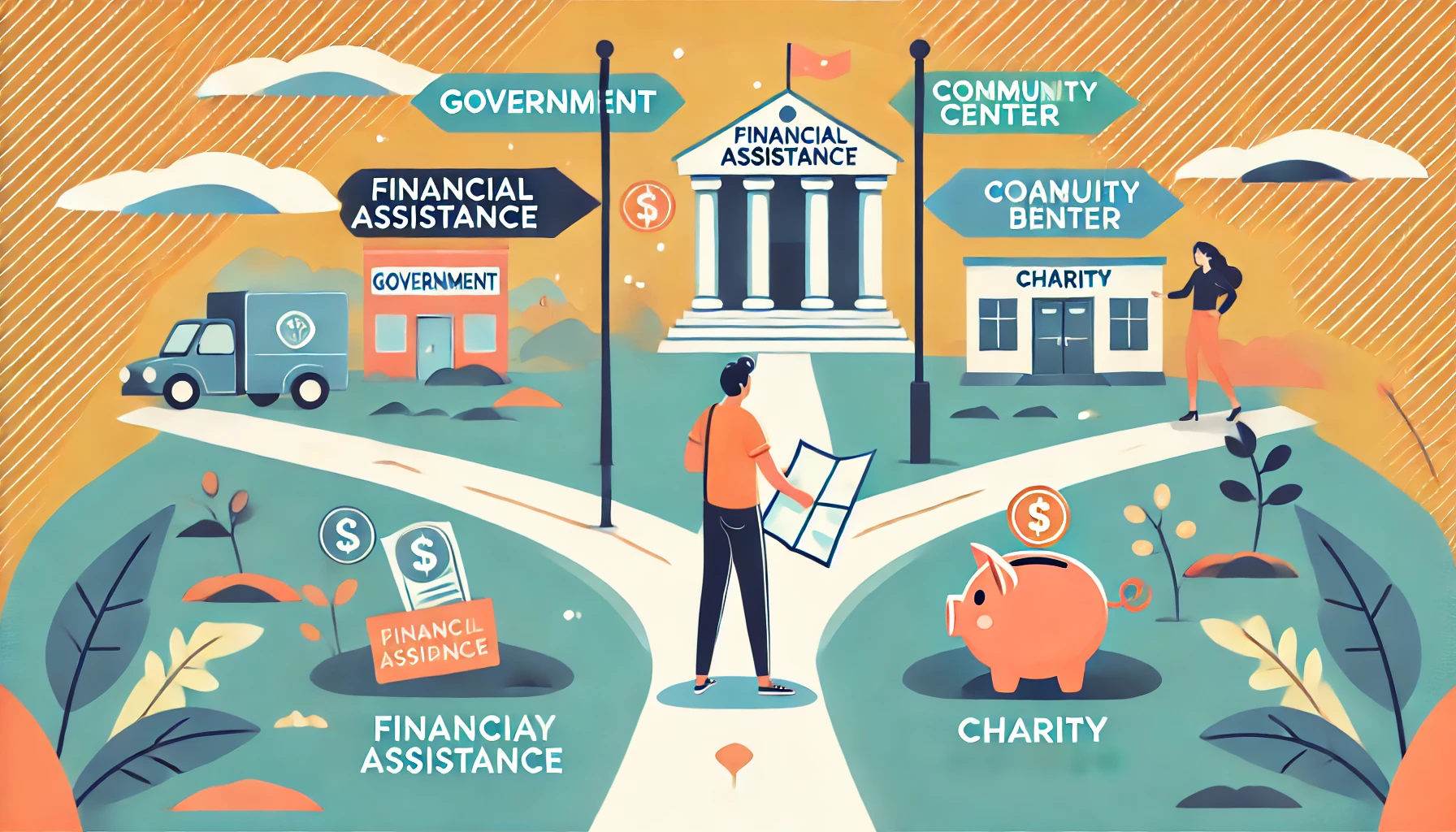
When facing financial hardship, individuals and families can access various assistance programs designed to provide support during challenging times. These programs can be broadly categorized into government initiatives and nonprofit/community-based programs, each serving a specific purpose in alleviating financial burdens.
Government Initiatives
-
Unemployment Benefits:
Government-sponsored unemployment benefits offer financial support to individuals without a job. These benefits are crucial during economic downturns, providing temporary relief until individuals can secure new employment.
Tip: Stay informed about your region’s eligibility criteria and application processes for unemployment benefits.
-
Food Assistance Programs:
The SNAP program addresses food insecurity by providing financial aid to eligible individuals and families, allowing them to purchase nutritious food items. Such programs are crucial for ensuring that people have access to essential nutrition.
Tip: Explore local food assistance programs and food banks for immediate relief in need.
-
Housing Assistance:
Housing assistance programs, such as rental or mortgage relief initiatives, aim to prevent homelessness by offering financial support to individuals struggling to meet housing-related expenses.
Tip: Contact local housing authorities or nonprofits for information on available housing assistance programs.
Nonprofit and Community-Based Programs
-
Charities and NGOs:
Nonprofit organizations often play a pivotal role in providing financial assistance, counseling, and community support. These organizations may offer direct financial aid or connect individuals with resources to address specific needs.
Tip: Contact local charities and NGOs for personalized assistance and guidance.
-
Local Community Support:
Community-driven initiatives, including support groups and neighborhood assistance programs, create a network of localized aid. These programs may offer various support, from financial assistance to emotional support and practical resources.
Tip: Contact local community organizations to tap into resources and support networks.
-
Educational Programs for Financial Literacy:
Nonprofits often focus on empowering individuals with financial literacy education. These programs provide resources and workshops to enhance financial knowledge, helping individuals make informed decisions and prevent future financial hardships.
Tip: Invest time in participating in financial literacy programs to build long-term economic resilience.
Understanding the types of financial hardship assistance programs available is crucial for individuals seeking support. Depending on their challenges, individuals can explore government initiatives or turn to local nonprofits for targeted assistance. Combining these resources provides a holistic approach to overcoming financial hardship and building a path toward stability.
Eligibility Criteria and Application Process
Navigating financial hardship assistance programs involves understanding the specific eligibility criteria and diligently following the application process. Different programs have varying requirements, and a clear comprehension of these aspects ensures individuals can access the support they need effectively.
Criteria for Qualifying for Assistance
-
Unemployment Benefits:
To qualify for unemployment benefits, individuals must have lost their job through no fault, meet state-specific earnings requirements, and actively seek employment. The criteria may vary, so it’s essential to check the specific requirements in your jurisdiction.
Tip: Keep detailed records of your job search activities, as they may be required during the application process.
-
Food Assistance Programs:
Eligibility for such programs as SNAP is often determined based on income, household size, and expenses. Generally, individuals with limited income and resources qualify for these programs.
Tip: Calculate your income and expenses accurately to determine eligibility for food assistance.
-
Housing Assistance:
Housing assistance programs may consider income, family size, and housing expenses. Qualification often depends on the extent of financial need and the ability to demonstrate challenges in meeting housing-related costs.
Tip: Prepare documentation such as pay stubs, rental agreements, or utility bills to support your application for housing assistance.
How to Apply for Financial Hardship Assistance
-
Unemployment Benefits:
- Contact your state’s unemployment office or visit their website to initiate the application process.
- Provide accurate and up-to-date information about your employment history, earnings, and reasons for unemployment.
- Follow any additional instructions, such as attending job-search seminars or providing proof of job-seeking activities.
Tip: Apply for unemployment benefits as soon as possible after job loss to minimize the gap in financial support.
-
Food Assistance Programs:
- Contact your local SNAP office to inquire about eligibility and obtain the necessary application forms.
- Complete the application form, providing detailed information about your household, income, and expenses.
- Submit the required documentation, such as pay stubs or proof of income, to support your application.
Tip: Familiarize yourself with the application process to ensure timely document submission.
-
Housing Assistance:
- Reach out to local housing authorities or nonprofit organizations offering housing assistance.
- Obtain and complete the application form, providing accurate information about your financial situation and housing needs.
- Include supporting documents, such as pay stubs, rental agreements, or utility bills, to substantiate your eligibility.
Tip: Communicate openly about your circumstances and seek guidance from housing assistance agencies to navigate the application process.
Documentation Required
-
Unemployment Benefits:
- Proof of identity (driver’s license, Social Security card, etc.).
- Employment history, including previous employers and dates of employment.
- Financial information, such as pay stubs or W-2 forms.
Tip: Prepare all required documents before initiating the application to expedite the process.
-
Food Assistance Programs:
- Proof of identity and residency.
- Income verification includes pay stubs, tax returns, or proof of other income sources.
- Information about household members, including their income and expenses.
Tip: Keep documents organized in a file for easy access during the application process.
-
Housing Assistance:
- Proof of identity and citizenship status.
- Income documentation, including pay stubs, tax returns, or evidence of other financial resources.
- Documentation of housing-related expenses, such as rent or mortgage statements.
Tip: Double-check the specific requirements of the housing assistance program and ensure all necessary documents are included in your application.
Understanding and meeting the eligibility criteria, following the correct application process, and providing accurate documentation are crucial to securing financial assistance during challenging times. By being proactive and thorough in the application process, individuals increase their chances of accessing the support they need to overcome financial hardship.
Success Stories and Testimonials
Real-life success stories and testimonials are crucial in offering inspiration and hope to individuals navigating financial hardship. These narratives shed light on the effectiveness of assistance programs and provide practical insights into overcoming challenges. Here, we explore the impact of financial assistance through the lens of those who have faced adversity and emerged stronger.
Real-life Experiences
-
Jane’s Journey to Financial Recovery:
Jane, a single mother of two, grappled with job loss and mounting bills. She accessed emergency financial aid through local nonprofit assistance to cover immediate expenses. Jane diligently participated in financial literacy programs offered by the organization, learning budgeting skills and financial planning. With newfound knowledge and support, Jane secured a job and successfully rebuilt her financial stability.
Tip: Embrace educational opportunities provided by assistance programs to acquire essential skills for long-term financial resilience.
-
Mark’s Triumph Over Housing Hardship:
Mark faced the threat of eviction due to unforeseen medical expenses. Engaging with a local housing assistance program, he received immediate financial support and benefited from counseling services. Mark worked closely with housing advocates who helped renegotiate his rent and connect him with additional resources. Today, Mark is in a more stable housing situation, highlighting the holistic support available through such programs.
Tip: Seek comprehensive assistance programs that address various aspects of financial hardship, including housing challenges.
Impact on Lives and Communities
-
Community Support Network:
In a tight-knit community, individuals facing financial hardship rallied to create a local support network. This community-driven initiative involved neighbors assisting with groceries, childcare, and emotional support. The collective effort demonstrated the transformative power of community bonds in alleviating financial struggles.
Tip: Explore local community support networks and engage with neighbors to create a mutual aid system.
-
Empowering Through Education:
A nonprofit organization focused on financial literacy transformed the lives of individuals by offering educational programs. Testimonials highlighted how participants gained confidence in managing their finances, leading to improved credit scores, debt reduction, and overall financial stability. The ripple effect of this education positively impacted the broader community.
Tip: Utilize financial literacy programs to gain the understanding necessary for making well-informed financial choices.
These success stories underscore the tangible impact of financial assistance programs on individuals and communities. They serve as beacons of hope for those facing challenges, demonstrating that it is possible to overcome financial hardship and build a more secure future with the proper support and resources.
Tips for Drawing Inspiration
-
Connect with Peer Support Groups:
Explore local or internet-based support communities where people share their journeys and provide advice on managing financial difficulties. Peer support can provide a sense of community and encouragement.
Tip: Participate in forums or groups dedicated to financial resilience to connect with others on a similar journey.
-
Utilize Counseling Services:
Take advantage of counseling services offered by assistance programs. Professional guidance can provide valuable insights, helping individuals develop personalized strategies for overcoming financial hardship.
Tip: Engage with counselors to address specific challenges and create a roadmap for financial recovery.
-
Share Your Story:
If you’ve overcome financial hardship with the help of assistance programs, consider sharing your story. Your experiences inspire others facing similar challenges and reinforce the importance of seeking help.
Tip: Share your journey through social media, community forums, or local publications to amplify the impact of your story.
Success stories and testimonials highlight the effectiveness of financial assistance programs and emphasize the resilience and determination of individuals facing adversity. By drawing inspiration from these narratives, individuals can find the motivation to take proactive steps toward financial recovery and build a more secure future.
Challenges and Improvements
Financial assistance programs are vital for helping people and families deal with financial difficulties, but they come with challenges.
Identifying these challenges and proposing improvements is essential for ensuring the effectiveness and accessibility of such programs.
Current Challenges Faced by Assistance Programs
-
Limited Resources:
Many assistance programs, particularly those run by nonprofits or local organizations, often need more resources. The demand for financial aid often outstrips the available funds, limiting the assistance provided to those in need.
Improvement: Advocate for increased funding from government entities and encourage community involvement to supplement available resources.
-
Bureaucratic Hurdles:
The application processes for some assistance programs can be complex and bureaucratic, leading to delays in providing timely support. Excessive paperwork, unclear eligibility criteria, and lengthy approval processes can create barriers for individuals seeking immediate assistance.
Improvement: Streamline application processes, reduce paperwork, and enhance transparency to expedite the delivery of financial aid.
-
Stigma and Perception:
Individuals facing financial hardship may hesitate to seek assistance due to the stigma associated with seeking help. They are overcoming the perception that asking for aid is a sign of weakness or failure and is crucial in ensuring that those in need feel comfortable accessing available resources.
Improvement: Implement awareness campaigns to destigmatize seeking financial assistance, emphasizing that it is a proactive step toward economic recovery.
Suggestions for Improving Effectiveness
-
Holistic Approach to Support:
Assistance programs can enhance their effectiveness by adopting a holistic approach to addressing financial hardship. This includes providing immediate financial aid and counseling services, educational programs, and resources for long-term financial planning.
Improvement: Expand program offerings to include comprehensive support services that address the multifaceted nature of financial challenges.
-
Technology Integration:
Embracing technology can streamline application processes and improve the accessibility of assistance programs. Implementing online application systems, mobile-friendly platforms, and virtual counseling services can enhance the overall user experience.
Improvement: Invest in technology to create user-friendly interfaces, making it easier for individuals to access and navigate assistance programs.
-
Community Collaboration:
Enhancing cooperation between aid initiatives, small businesses, and community groups has the potential to maximize the effectiveness of support services.
- Creating a network of interconnected resources ensures that individuals receive well-rounded assistance tailored to their needs.
Improvement: To create a more interconnected and supportive environment, Foster partnerships between assistance programs, local businesses, and community groups.
-
Flexible Eligibility Criteria:
Recognizing that financial hardship can manifest in various forms, assistance programs could benefit from more flexible eligibility criteria. Adjusting criteria based on the unique circumstances of applicants allows for a more inclusive and adaptable approach.
Improvement: Periodically review and update eligibility criteria to ensure they align with the evolving nature of financial challenges.
The Role of Technology in Enhancing Access
Technological advancements can significantly improve the accessibility and efficiency of financial hardship assistance programs. Leveraging technology allows for:
-
Online Application Portals:
Streamlining the application process through user-friendly online portals makes it easier for individuals to apply for assistance from their homes.
-
Virtual Counseling Services:
Implementing virtual counseling services ensures that individuals can access professional guidance remotely, breaking geographical barriers and increasing accessibility.
-
Automated Processes:
Automation of specific processes, such as document verification and communication, reduces administrative burdens and accelerates the delivery of financial aid.
-
Data Analytics for Program Enhancement:
Utilizing data analytics allows assistance programs to gain insights into the effectiveness of their initiatives, enabling continuous improvement and targeted resource allocation.
By addressing current challenges and embracing innovative solutions, financial hardship assistance programs can better fulfill their mission of providing timely and practical support to individuals and communities in need.
Tips for Financial Resilience
Building financial resilience is about overcoming current challenges and preparing for future uncertainties.
These helpful suggestions guide people to manage financial difficulties, establish lasting habits, and build the groundwork for a more stable financial tomorrow.
-
Building an Emergency Fund:
- Creating and keeping an emergency fund is essential for financial stability. The goal is to save an amount equivalent to three to six months of living expenses. This fund acts as a buffer against unforeseen challenges such as medical crises or loss of employment.
Tip: Start small by regularly allocating a portion of your income to the emergency fund, gradually increasing the amount over time.
-
Financial Planning and Budgeting:
- Developing a comprehensive budget entails detailing your sources of income, listing all expenses, and setting clear savings objectives. You can monitor your expenditures, pinpoint opportunities for potential savings, and strategically allocate funds through budgeting.
Tip: Use budgeting apps or tools to automate tracking and categorize your expenses for a more precise overview of your financial situation.
-
Diversify Income Sources:
- Depending only on a single income source can make you susceptible to financial challenges when unexpected situations occur. It’s wise to consider ways to broaden your income streams, like taking on part-time jobs, freelance projects, or creating passive sources of income.
Tip: Invest time developing additional skills that align with market demands to increase your earning potential.
-
Debt Management and Reduction:
- Develop a plan for managing and reducing existing debts. Prioritize high-interest debts and explore consolidation options to streamline payments and lower interest rates.
Tip: Negotiate with creditors to explore options for reduced interest rates or modified payment plans.
-
Regularly Review and Adjust Financial Goals:
- Periodically reassess your financial goals, considering changes in income, expenses, and overall financial circumstances. Adjusting your goals ensures they remain realistic and achievable.
Tip: Set short-term, achievable milestones to celebrate incremental successes on your journey toward financial resilience.
-
Invest in Financial Literacy:
- Knowledge is a powerful tool in financial resilience. Invest time educating yourself about personal finance, investment strategies, and long-term financial planning.
Tip: Attend workshops, webinars, or online courses to continually enhance your financial literacy.
-
Insurance Coverage:
- It’s essential to have sufficient insurance coverage to safeguard against unforeseen circumstances. Health, life, and property insurance
serve as valuable protections during difficult situations.
Tip: Make it a habit to periodically assess your insurance policies to ensure they suit your current needs and situation.
-
Seek Professional Advice:
- For tailored guidance, Seek advice from financial advisors or certified credit counselors. They can provide insights into investment strategies, debt management, and overall financial planning.
Tip: Schedule regular check-ins with financial professionals to reassess your financial plan and adjust as needed.
Integrating these suggestions into your financial plan can strengthen your ability to handle financial difficulties. Remember that building economic resilience is a gradual process, and every step you take toward informed decision-making and proactive planning contributes to a more secure financial future.
Table: Overview of Financial Hardship Assistance Programs
| Program Type | Description |
| Government Initiatives | |
| Unemployment Benefits | Financial support for individuals facing job loss, bridging the gap until reemployment. |
| Food Assistance Programs | Programs offering aid to individuals and families struggling to afford groceries. |
| Housing Assistance | Support for housing-related expenses, such as rent or mortgage assistance during financial hardship. |
| Nonprofit/Community-Based | |
| Charities and NGOs | Nonprofits offering financial assistance, counseling, and community support. |
| Local Community Support | Community-driven initiatives, such as support groups or neighborhood assistance programs. |
| Educational Programs for Financial Literacy | Nonprofits provide educational resources to enhance financial literacy and empower individuals to make informed decisions. |
This table provides a concise overview of different types of financial hardship assistance programs, categorizing them into government initiatives and nonprofit/community-based programs for easy reference.
Conclusion
Within life’s complex paths, facing financial struggles can dim even the brightest moments. However, the road to building resilience and stability is feasible and profoundly empowering. This comprehensive guide has illuminated the myriad aspects of financial hardship, explored the diverse landscape of assistance programs, and provided practical tips for navigating and preventing economic challenges.
Embracing the Journey to Financial Resilience
Financial resilience is not just a destination; it’s a journey marked by proactive decisions, continuous learning, and a commitment to building a secure future. As we conclude this exploration, here are key takeaways to embrace on your path to financial resilience:
-
Seeking Help is a Strength:
- Recognize that seeking assistance during tough times is a courageous and pragmatic step toward regaining financial stability. Whether through government initiatives, nonprofit organizations, or community support, help is available.
-
Holistic Approach to Assistance:
- Explore assistance programs that offer a holistic approach, addressing immediate financial needs, providing educational resources, and fostering community connections. Comprehensive support enhances the likelihood of sustained economic recovery.
-
Empowerment Through Financial Literacy:
- Invest in your financial literacy. Education provides individuals with the tools to make well-informed decisions, prepare for the future, and manage the intricacies of personal finances.
-
Celebrate Small Wins:
- Financial resilience is built through incremental progress. Celebrate small victories, whether successfully budgeting for the month, reducing debt, or contributing to your emergency fund.
-
Adaptability is Key:
- The financial landscape evolves, and so should your approach. Regularly review and adapt your financial goals, strategies, and plans to align with changing circumstances.
A Call to Action
As you embark on your journey toward financial resilience, remember that your story is unique, and each step forward is a triumph. The path may have challenges, but it also holds opportunities for growth, learning, and creating a more resilient and secure financial future.
Call to Action:
If you or someone you know is facing financial hardship, take the initiative to explore available assistance programs, connect with support networks, and consider seeking professional advice. Together, we can contribute to a community that values financial well-being and supports one another in need.
In closing, may this guide serve as a beacon of guidance, offering insights, inspiration, and practical strategies for overcoming financial challenges. The path to economic resilience demonstrates your fortitude, strength, and dedication to creating a better and more stable future.